
E-Rickshaw vs Auto Rickshaw: Which Is Better for Lakhimpur Roads?
Local transportation in Lakhimpur is changing rapidly. Where traditional auto rickshaws once dominated, electric e-rickshaws are now becoming a common sight on roads, markets, and residential lanes. For drivers, small business owners, and first-time buyers, the biggest question is simple but important: which option works better for Lakhimpur roads—an e-rickshaw or an auto rickshaw?
This detailed comparison looks at cost, road conditions, income potential, comfort, and long-term value. By the end, you’ll have a clear idea of which vehicle suits your needs and how to select the Best E Rickshaw in Lakhimpur for sustainable earnings.
Understanding Local Road and Traffic Conditions in Lakhimpur
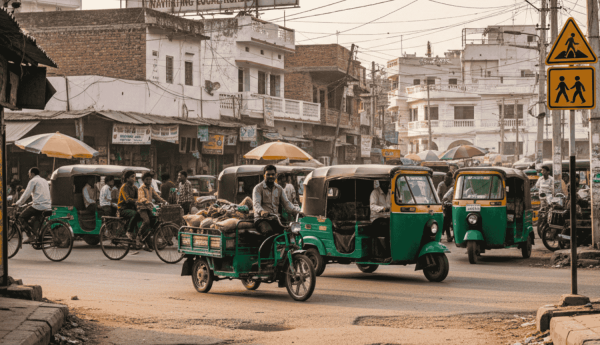
Lakhimpur’s road network includes narrow residential lanes, busy market roads, school zones, and semi-rural stretches. Traffic is mixed, with pedestrians, bicycles, two-wheelers, and three-wheelers sharing limited space. Frequent stops, short travel distances, and uneven road surfaces are common.
Any vehicle operating successfully in Lakhimpur must be easy to maneuver, economical to run, and reliable in stop-and-go traffic. These local realities play a major role in choosing between an e-rickshaw and an auto rickshaw.
What Is an E-Rickshaw?
An e-rickshaw is a battery-powered three-wheeler designed mainly for short-distance travel. It runs entirely on electricity and produces no direct emissions. Most e-rickshaws are used for passenger transport, while some are built specifically for cargo or goods delivery.
In Lakhimpur, e-rickshaws are widely used for daily commuting, school drops, market travel, and last-mile connectivity. Their quiet operation and low running cost have made them especially popular in residential and commercial areas.
What Is an Auto Rickshaw?
An auto rickshaw typically runs on petrol, diesel, or CNG. It has been a long-standing part of public transport in many Indian towns. Auto rickshaws are known for higher speed, longer range, and better performance on highways or longer routes.
In Lakhimpur, auto rickshaws are still used on main roads and for slightly longer trips, but rising fuel costs and maintenance expenses have reduced their appeal for short-distance operations.
Cost Comparison – E-Rickshaw vs Auto Rickshaw
Purchase Price
E-rickshaws generally have a lower entry cost compared to auto rickshaws. This makes them more accessible for new drivers and individuals looking to start self-employment with limited capital. Auto rickshaws require a higher initial investment, which can be challenging without strong financial support.
For many buyers, the lower upfront cost is a key reason to choose the Best E Rickshaw in Lakhimpur.
Daily Running Cost
Running cost is where e-rickshaws clearly stand out. Charging an e-rickshaw costs far less than refueling an auto rickshaw. With fuel prices fluctuating frequently, auto rickshaw drivers face unpredictable daily expenses.
E-rickshaw drivers benefit from stable and low electricity costs, which directly improve daily profit margins.
Maintenance and Repair Expenses
E-rickshaws have fewer mechanical parts, resulting in lower maintenance requirements. Routine checks, battery care, and basic servicing are usually sufficient. Auto rickshaws, on the other hand, involve engine maintenance, oil changes, and more frequent repairs.
Over time, the difference in maintenance costs becomes significant, especially for drivers operating daily.
Earnings and Profitability for Drivers in Lakhimpur
Daily Income Potential
Both e-rickshaws and auto rickshaws can generate similar gross daily income in high-demand areas. However, the net income differs due to operating costs. Since e-rickshaws cost less to run, drivers often retain more profit at the end of the day.
Short routes with frequent passengers favor e-rickshaws, while longer routes may still suit auto rickshaws.
Monthly Savings and Return on Investment
E-rickshaws generally offer faster return on investment due to lower purchase and running costs. Many drivers recover their investment within a shorter period, making e-rickshaws a safer financial choice for first-time owners.
Road Suitability – Which Vehicle Performs Better in Lakhimpur?
Performance on Narrow and Crowded Roads
E-rickshaws are lightweight and easy to maneuver, making them ideal for narrow lanes and crowded areas. Their smooth acceleration and compact design suit local traffic conditions well.
Auto rickshaws perform better on wider roads but can feel bulky in congested zones.
Comfort for Passengers and Drivers
E-rickshaws operate quietly and produce minimal vibration, improving passenger comfort. This is especially appreciated in residential areas. Auto rickshaws tend to be noisier, which can be uncomfortable during long working hours.
Load Capacity and Stability
Auto rickshaws generally handle heavier loads and higher speeds better. However, modern e-rickshaws designed for passengers or cargo can meet most daily requirements in Lakhimpur without issues.
Environmental Impact and Sustainability
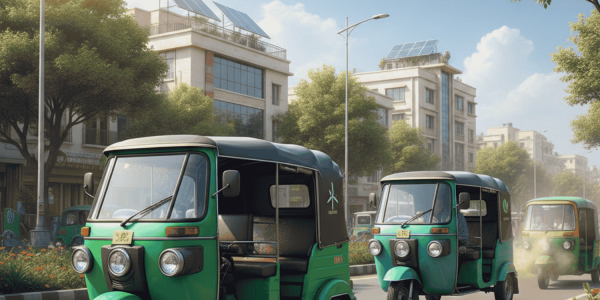
E-rickshaws contribute to cleaner air and reduced noise pollution. As Lakhimpur grows, sustainable transport options become increasingly important. Auto rickshaws emit pollutants that affect air quality, especially in congested areas.
From an environmental perspective, choosing the Best E Rickshaw in Lakhimpur supports a cleaner and healthier city.
Licensing, Registration, and Regulations
Both vehicle types require registration and compliance with local transport rules. However, e-rickshaws are often easier to register and operate within city limits. Auto rickshaws may face stricter permit requirements, depending on route and usage.
Understanding local regulations before purchase is essential for smooth operations.
Charging vs Fuel Availability in Lakhimpur
Charging Options for E-Rickshaws
Most e-rickshaw owners charge their vehicles at home, usually overnight. This is convenient and cost-effective. While public charging stations are limited, current charging practices meet daily needs for most drivers.
Fuel Accessibility for Auto Rickshaws
Fuel stations are available, but fuel costs are high and subject to price changes. This creates uncertainty in daily expense planning for auto rickshaw drivers.
Safety and Reliability Comparison
Both vehicles can be safe when maintained properly and driven responsibly. E-rickshaws require attention to battery health and braking systems, while auto rickshaws depend on engine condition and fuel efficiency.
Regular servicing is crucial for safety, regardless of the vehicle type.
Which Is Better for Different Use Cases?
Best Option for Daily Short Routes
E-rickshaws perform better due to low cost and easy maneuverability.
Best Option for Long-Distance Travel
Auto rickshaws are more suitable for longer routes and higher speeds.
Best Option for New Drivers
E-rickshaws are easier to operate and more affordable.
Best Option for Business and Cargo Use
Both options work, but cargo-specific e-rickshaws are becoming increasingly popular.
Advantages and Disadvantages Summary
Pros and Cons of E-Rickshaws
Pros: Low running cost, eco-friendly, easy maintenance, quiet operation
Cons: Limited speed and range, battery replacement cost
Pros and Cons of Auto Rickshaws
Pros: Higher speed, longer range, better for highways
Cons: High fuel and maintenance cost, pollution
Expert Tips to Choose the Right Vehicle in Lakhimpur
Analyze your daily route length and passenger demand
Calculate monthly expenses and savings realistically
Check local service and spare part availability
Prioritize durability and warranty over low price
Selecting the Best E Rickshaw in Lakhimpur is about balancing cost, reliability, and long-term income.
Conclusion: Making the Right Choice for Lakhimpur Roads