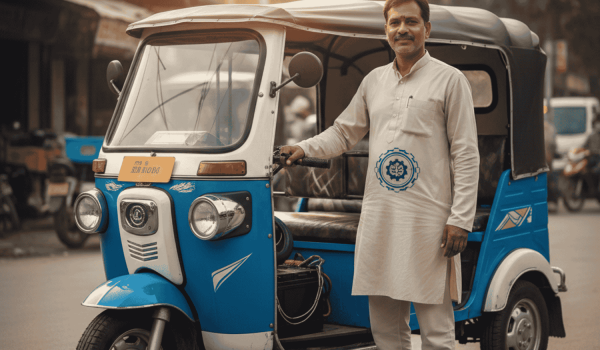
Mileage, Battery & Build: What Matters Most in an E-Rickshaw?
Buying an e-rickshaw is not just a vehicle purchase—it is an investment that directly affects daily income, operating cost, and long-term reliability. Many buyers focus on just one factor, usually mileage or price, and later face problems with battery life, frequent repairs, or low performance.
To choose the right e-rickshaw, especially if you are planning to earn daily income, you must understand the real importance of mileage, battery, and build quality. This guide explains each factor in detail and helps you make a balanced decision to select the Best E Rickshaw in Lakhimpur.
Understanding How E-Rickshaws Work
An e-rickshaw runs on an electric motor powered by a rechargeable battery. The battery supplies energy, the motor converts it into movement, and the build quality determines how well the vehicle handles load, road conditions, and long working hours.
Mileage, battery, and build are closely connected. A strong battery alone cannot deliver good results if the build is weak. Similarly, a strong build without proper battery capacity limits working hours. That’s why focusing on only one factor often leads to poor performance and higher costs.
Mileage in an E-Rickshaw – Why It Matters
What Is Mileage in an E-Rickshaw?
Mileage in an e-rickshaw refers to the distance it can travel on a single full charge. Manufacturers often mention ideal mileage, but real-world mileage depends on several factors such as road conditions, load, and driving style.
Understanding real mileage is important because it directly affects how many trips you can complete in a day.
Factors That Affect E-Rickshaw Mileage
Mileage changes based on passenger load, battery condition, road quality, and traffic. Overloading the vehicle or driving on rough roads reduces mileage. Frequent stopping and starting also consume more battery power.
Proper driving habits and correct load management help maintain consistent mileage.
How Mileage Impacts Daily Income
Higher mileage allows more trips without recharging, which means more earning hours. If mileage is low, drivers lose time in charging, reducing daily income. This is why buyers looking for the Best E Rickshaw in Lakhimpur should always consider real-use mileage rather than advertised figures.
Battery – The Heart of an E-Rickshaw
Types of Batteries Used in E-Rickshaws
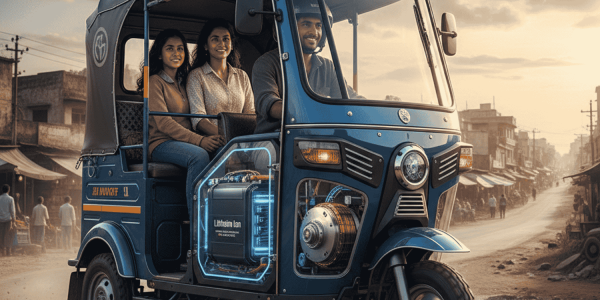
Most e-rickshaws use either lead-acid batteries or lithium-ion batteries. Lead-acid batteries are affordable and widely available, making them common in small towns. Lithium-ion batteries offer faster charging and longer life but are more expensive.
Choosing the right battery depends on budget, usage pattern, and long-term planning.
Battery Capacity, Voltage, and Range
Battery capacity is measured in ampere-hours (Ah), and voltage determines power output. A higher capacity battery provides longer range but must be matched with a suitable motor and controller.
Balanced battery specifications ensure smooth performance without unnecessary stress on components.
Battery Life, Charging Time, and Replacement Cost
Battery life depends on charging habits, usage frequency, and quality. Improper charging can reduce battery lifespan significantly. Planning for battery replacement is essential, as it is one of the major long-term expenses.
Buyers who select the Best E Rickshaw in Lakhimpur usually prefer batteries with warranty and easy local replacement options
Build Quality – Often Ignored but Critical
Chassis Strength and Frame Material
Build quality determines how well an e-rickshaw handles daily stress. A strong chassis ensures safety, stability, and longer vehicle life. Weak frames may bend or crack under regular passenger load, leading to frequent repairs.
A durable frame is especially important for uneven and narrow town roads.
Suspension, Brakes, and Tires
Good suspension improves passenger comfort and reduces wear on other parts. Reliable brakes ensure safety in traffic, while quality tires provide better grip and reduce maintenance.
Ignoring these components can result in higher long-term costs and safety risks.
Body Design and Weather Protection
Roof strength, side covers, and seating comfort play a major role in daily usability. Protection from heat and rain improves passenger satisfaction and allows drivers to operate in all seasons.
Mileage vs Battery vs Build – What Should You Prioritize?
For Daily Passenger Routes
For short-distance passenger routes, a balanced combination of good mileage and solid build works best. Over-focusing on battery size alone may increase cost without real benefit.
For Long Working Hours
Drivers operating long shifts need reliable battery performance and efficient charging habits. Battery quality and proper capacity become more important here.
For Heavy Usage and Rough Roads
For high passenger load and rough roads, build quality should be the top priority. A strong chassis protects battery and motor components, ensuring long-term reliability.
Common Myths Buyers Believe About E-Rickshaws
Many buyers believe higher mileage always means better performance, which is not true. Mileage figures vary in real conditions. Another myth is that bigger batteries always last longer—battery life depends more on usage and charging habits.
Some buyers assume all e-rickshaws are built the same, but build quality varies significantly and affects safety and maintenance cost.
How to Test Mileage, Battery & Build Before Buying
Before purchasing, buyers should take a proper test drive with load, inspect welding joints, check suspension movement, and ask detailed questions about battery warranty.
Understanding service availability and spare parts access is equally important when selecting the Best E Rickshaw in Lakhimpur.
Mistakes to Avoid When Choosing an E-Rickshaw
Choosing the lowest price model often leads to higher expenses later. Ignoring after-sales support and warranty details is another common mistake.
Overloading the vehicle regularly can damage battery and suspension, reducing lifespan and income potential.
Expert Tips to Choose the Right E-Rickshaw
Always match vehicle specifications with your daily route and working hours. Plan for long-term costs, not just initial price. Reliable dealers and service support add more value than temporary savings.
Balanced decision-making leads to better income stability and fewer operational problems.
Frequently Asked Questions (FAQ)
What mileage is good for an e-rickshaw?
Mileage should comfortably support daily routes without frequent recharging.
Which battery type is best for long-term use?
Battery choice depends on budget, usage hours, and charging habits.
Does strong build affect mileage?
Yes, strong and balanced build improves efficiency and reduces energy loss.
How often does an e-rickshaw battery need replacement?
Battery life varies based on quality and usage, but planning ahead is essential.
What matters most for daily income?
A balanced combination of mileage, battery reliability, and build quality.
Conclusion – Making the Smart Choice
Mileage, battery, and build quality all play important roles in the performance and profitability of an e-rickshaw. Ignoring any one factor can reduce income and increase long-term costs.
For drivers and buyers in Lakhimpur, choosing a well-balanced vehicle with reliable components is the key to success. Selecting the Best E Rickshaw in Lakhimpur means thinking beyond price and focusing on durability, efficiency, and long-term value.
A smart choice today ensures stable earnings, fewer repairs, and peace of mind for years to come.