
E Rickshaw Business Opportunity in Sitapur: Beginner’s Guide
Starting a small business that offers steady income, low risk, and growing demand is a priority for many people today. In this context, the e-rickshaw business has emerged as one of the most practical self-employment options in small cities. In Sitapur, the demand for e-rickshaws has increased rapidly due to short travel distances, affordable fares, and rising fuel costs.
This beginner’s guide explains everything you need to know about starting an e-rickshaw business in Sitapur—from investment and earnings to route selection and long-term growth. If you are planning to buy the Best E Rickshaw in Sitapur, this guide will help you make an informed and confident decision.

Why Sitapur Is a Good Market for E-Rickshaw Business
Growing Population and Daily Commute Needs
Sitapur is steadily expanding with new residential areas, markets, and educational institutions. As population grows, so does the need for short-distance daily travel. Most people commute multiple times a day for work, school, shopping, and healthcare. This creates consistent demand for local transport.
E-rickshaws serve these short routes efficiently, making Sitapur a favorable market for new drivers and first-time business owners.
High Demand for Short-Distance Transport
In small cities, most trips are within a few kilometers. Buses are not suitable for such routes, and auto-rickshaws are becoming expensive for daily use. E-rickshaws fill this gap by offering affordable and easily available transport for short distances.
Limited Competition Compared to Big Cities
Unlike large cities where routes are saturated, Sitapur still offers room for new e-rickshaw operators. With the right route and timing, beginners can build a stable income without facing extreme competition.
Understanding the E-Rickshaw Business Model
Owner-Driver Model
This is the most common and beginner-friendly model. You own the e-rickshaw and drive it yourself. This reduces labor costs and maximizes daily earnings. For individuals seeking self-employment, this model works best.
Rental and Lease Model
Some owners buy e-rickshaws and rent them out on a daily basis. This model is suitable for investors who do not want to drive themselves but want consistent rental income.
Small Fleet Ownership Model
With experience and capital, some operators expand from one e-rickshaw to a small fleet. This model offers higher income potential but also requires better management.
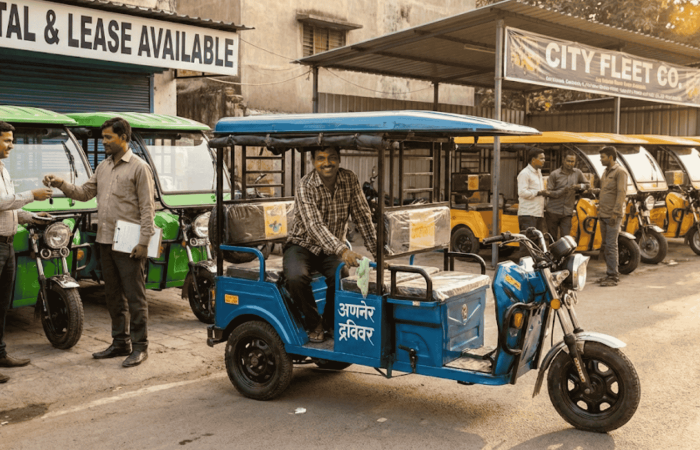
Initial Investment Required to Start an E-Rickshaw Business
Cost of Buying an E-Rickshaw
The cost of an e-rickshaw depends on build quality, battery type, and features. Choosing a reliable model is important for long-term savings. Investing in the Best E Rickshaw in Sitapur may seem slightly higher initially, but it reduces breakdowns and maintenance expenses later.
Battery and Charging Setup Expenses
Battery cost is a major part of the investment. A good battery ensures longer range and better daily performance. Most drivers charge their e-rickshaw at home overnight, keeping charging costs low.
Registration, Permit, and Insurance Costs
Registration and insurance are essential for legal operation. These costs are relatively low compared to traditional auto-rickshaws, making entry easier for beginners.
Daily Operating Costs and Earnings Potential
Electricity and Charging Expenses
Electricity costs are minimal compared to fuel expenses. Daily charging usually costs only a small amount, which significantly increases profit margins.
Maintenance and Repair Costs
E-rickshaws have fewer mechanical parts, resulting in lower maintenance. Regular checks and proper battery care can keep repair costs under control.
Average Daily Income and Monthly Profit
Earnings depend on route, working hours, and passenger demand. With consistent operation, many drivers achieve stable daily income, making the e-rickshaw business a reliable source of monthly earnings.
Choosing the Right E-Rickshaw for Your Business
Passenger vs Cargo E-Rickshaws
Passenger e-rickshaws are ideal for city travel, while cargo e-rickshaws are suitable for goods delivery and market transport. Beginners usually start with passenger models due to higher demand.
Battery Types and Range Considerations
Battery quality directly affects range and daily performance. Choosing a battery that offers sufficient range for daily routes is essential for uninterrupted work.
Key Features to Look for in the Best E-Rickshaw
Comfortable seating, strong suspension, reliable braking, and good after-sales support are important features. Selecting the Best E Rickshaw in Sitapur ensures durability and peace of mind.
Government Policies and Support for E-Rickshaw Owners
EV Subsidies and Incentives
Government initiatives promoting electric vehicles have made e-rickshaws more affordable. Subsidies and incentives reduce the overall cost of ownership.
Registration Rules in Uttar Pradesh
The registration process is simpler compared to traditional vehicles. This encourages more people to enter the e-rickshaw business legally.
Local Authority Guidelines in Sitapur
Local regulations help organize routes and ensure smoother traffic flow. Following these guidelines ensures hassle-free daily operations.
Financing Options for Beginners
Bank Loans and NBFC Financing
Several banks and financial institutions offer loans for e-rickshaws. These options reduce the burden of upfront investment.
Dealer-Based EMI and Easy Payment Plans
Many dealers provide EMI options, making it easier for beginners to buy an e-rickshaw without financial stress.
Rental-to-Own Opportunities
Some operators offer rental models where a portion of daily earnings goes toward ownership. This is helpful for those with limited capital.

Step-by-Step Guide to Starting Your E-Rickshaw Business
Market Research and Route Selection
Identify high-demand routes such as markets, schools, hospitals, and railway stations. Choosing the right route is key to daily income.
Buying and Registering Your E-Rickshaw
Purchase from a trusted dealer, complete registration, and arrange insurance before starting operations.
Daily Operations and Passenger Handling
Polite behavior, punctuality, and safe driving help build a regular passenger base and improve earnings.
Common Challenges and How to Overcome Them
Battery Life and Replacement Costs
Proper charging habits and regular maintenance extend battery life and reduce replacement costs.
Charging Availability and Time Management
Overnight home charging and planned breaks during the day help manage charging efficiently.
Competition and Route Management
Sticking to less crowded routes and maintaining good service quality can help you stand out from competitors.
Tips to Maximize Profit in the E-Rickshaw Business
Choosing High-Demand Routes
Focus on areas with constant passenger flow to ensure consistent earnings.
Reducing Operating Costs
Avoid unnecessary repairs, maintain the battery well, and follow efficient driving practices.
Building a Regular Passenger Base
Friendly service and reliability encourage repeat passengers, which increases daily income stability.
Long-Term Growth Opportunities
Expanding from Single Vehicle to Fleet
Once you gain experience, expanding to multiple e-rickshaws can significantly increase income.
Adding Cargo and Delivery Services
Cargo e-rickshaws open additional revenue streams, especially for local markets and small businesses.
Future Scope of Electric Mobility in Sitapur
With growing support for electric vehicles, the e-rickshaw business is expected to remain profitable in the long run.

Is E-Rickshaw Business Right for You?