
How Electric Rickshaws Help Reduce Fuel Costs and Pollution
Rising fuel prices and increasing pollution have become serious concerns across India. For daily commuters, transport operators, and small business owners, the cost of petrol and diesel continues to rise, directly affecting income and quality of life. At the same time, air and noise pollution are creating health and environmental challenges, even in small cities.
Electric rickshaws have emerged as a practical solution to both problems. They offer an affordable alternative to fuel-based vehicles while supporting cleaner and quieter mobility. In towns like Lakhimpur, the growing preference for the Best E Rickshaw in Lakhimpur clearly shows how electric rickshaws are helping people save money and protect the environment at the same time.
The Impact of Fuel Costs on Daily Transportation
Rising Petrol and Diesel Prices
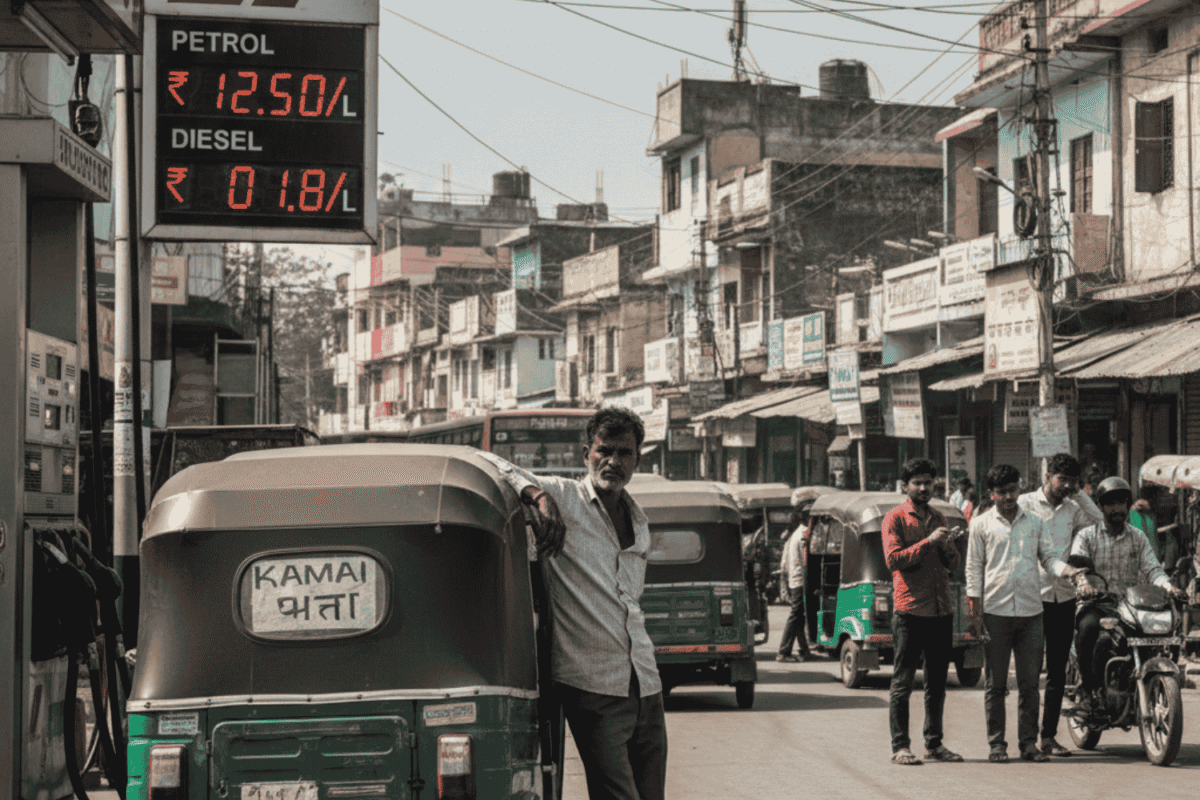
Fuel prices have steadily increased over the years, making daily transport more expensive. For drivers who depend on vehicles for income, even small price hikes significantly reduce profit margins. For passengers, higher fuel costs often lead to increased fares, making daily travel less affordable.
In small cities, where people rely heavily on local transport for short trips, these rising costs create financial pressure on both drivers and commuters.
Financial Pressure on Small Transport Operators
Local transport operators often work with limited margins. High fuel expenses leave little room for savings or growth. Many drivers struggle to manage daily expenses while maintaining their vehicles. This situation has pushed operators to search for alternatives that reduce dependency on petrol and diesel.
What Are Electric Rickshaws?
Basic Concept of Electric Rickshaws
An electric rickshaw is a battery-powered three-wheeled vehicle designed mainly for short-distance passenger and goods transport. Instead of using an internal combustion engine, it runs on electricity stored in rechargeable batteries. This simple shift in power source makes a major difference in cost and environmental impact.
Designed for Short-Distance and Local Travel
Electric rickshaws are ideal for last-mile connectivity. They operate smoothly on local roads, narrow streets, and crowded marketplaces. Their design suits the daily travel patterns of small cities, where trips are frequent but short.

How Electric Rickshaws Reduce Fuel Costs
Zero Dependence on Petrol and Diesel
The biggest advantage of electric rickshaws is that they do not require petrol or diesel. Electricity is significantly cheaper than fuel, and charging an e-rickshaw costs only a fraction of daily fuel expenses. Over time, these savings add up to a substantial reduction in operating costs.
For drivers, this means higher daily savings and more predictable expenses. For those investing in the Best E Rickshaw in Lakhimpur, lower energy costs directly improve long-term profitability.
Lower Maintenance Compared to Fuel Vehicles
Fuel-based vehicles have complex engines, gear systems, and exhaust components that require regular servicing. Electric rickshaws have fewer moving parts, which reduces wear and tear. There is no engine oil to change and fewer breakdowns, resulting in lower maintenance expenses.
Long-Term Cost Benefits of Electric Rickshaws
Predictable Operating Expenses
Electricity prices are more stable compared to fluctuating fuel prices. This stability allows drivers and operators to plan expenses better. Knowing daily charging costs helps manage income more effectively and reduces financial uncertainty.
Faster Return on Investment
Because of low running and maintenance costs, electric rickshaws often recover their initial investment faster than fuel-based vehicles. Once the investment is recovered, most of the daily earnings become profit, making electric rickshaws a smart long-term choice.
Role of Electric Rickshaws in Reducing Air Pollution
Zero Tailpipe Emissions
Electric rickshaws produce no exhaust emissions. They do not release smoke, carbon monoxide, or harmful gases into the air. This is especially important in residential and market areas where people are exposed to pollution daily.
As more electric rickshaws operate on local roads, overall air quality improves, creating a healthier environment for everyone.
Contribution to Cleaner Urban Environments
Even small cities face pollution challenges due to increased vehicle usage. Electric rickshaws help reduce pollution levels and protect public health. Cleaner air means fewer respiratory issues and a better quality of life for residents.
Reduction of Noise Pollution
Quiet Operation of Electric Rickshaws
Unlike fuel-powered vehicles, electric rickshaws operate quietly. The absence of engine noise reduces sound pollution, which is often overlooked but equally harmful. Quieter streets improve comfort for pedestrians, shopkeepers, and residents.
Benefits for Residential and Market Areas
Reduced noise creates calmer environments in residential neighborhoods and busy markets. It also improves safety, as drivers and pedestrians can communicate more easily without loud engine sounds.
Environmental Benefits Beyond Pollution Reduction
Lower Carbon Footprint
Electric rickshaws reduce dependence on fossil fuels, which helps lower overall carbon emissions. While electricity generation may involve emissions, the overall environmental impact is significantly lower compared to petrol and diesel vehicles.
Support for Sustainable Transport Goals
Electric rickshaws align with broader sustainability goals by promoting clean energy and efficient transport. They play an important role in transitioning toward greener mobility systems.
Benefits for Drivers, Passengers, and Communities
Financial Relief for Drivers
Lower fuel and maintenance costs mean drivers can save more from their daily earnings. Reduced expenses allow for better financial stability and long-term planning.
Affordable and Clean Transport for Passengers
Passengers benefit from affordable fares, as drivers do not need to recover high fuel costs. Clean and quiet rides improve the overall commuting experience.
Positive Impact on Local Communities
Cleaner air, reduced noise, and affordable transport improve living conditions in local communities. Electric rickshaws also create employment opportunities, supporting local economies.
Why Electric Rickshaws Are Ideal for Small Cities
Short Travel Distances and Easy Charging
Small cities typically involve short travel distances, making battery range sufficient for daily operations. Most electric rickshaw owners can charge their vehicles at home, reducing dependence on public charging stations.
Growing Acceptance Among Local Users
Passengers appreciate affordable fares, while drivers value cost savings and steady income. This growing trust and acceptance have made electric rickshaws a preferred choice in many towns.
Challenges and Considerations
Battery Production and Disposal Concerns
Battery management is an important consideration. Responsible usage, proper maintenance, and recycling help reduce environmental impact. Choosing quality batteries improves performance and lifespan.
Charging Infrastructure Limitations
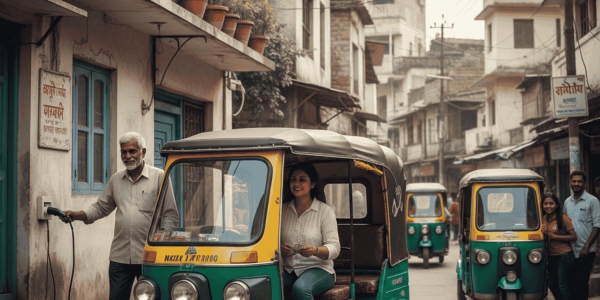
Public charging infrastructure is still developing in some areas. However, proper planning and home charging options help manage this challenge effectively.
Future of Electric Rickshaws in Sustainable Transport
Technological Advancements
Improvements in battery technology are increasing range, reducing charging time, and improving durability. These advancements will make electric rickshaws even more efficient and reliable.
Long-Term Impact on Fuel Consumption and Pollution
As adoption increases, electric rickshaws will significantly reduce fuel consumption and pollution levels. They represent a practical step toward cleaner, more affordable transportation systems.
Conclusion