
Why E Rickshaws Are the Future of Affordable Mobility in Small Cities
Affordable and reliable transportation has always been a challenge for small cities. Limited public transport, rising fuel prices, and growing populations have increased the need for smarter mobility solutions. In recent years, e-rickshaws have emerged as a practical answer to these challenges. They are not only changing how people travel short distances but also creating new income opportunities for drivers and small operators.
In towns like Lakhimpur, the growing demand for the Best E Rickshaw in Lakhimpur clearly shows why electric rickshaws are shaping the future of affordable mobility.
Understanding Mobility Needs in Small Cities
Daily Travel Patterns in Small Towns
Small cities depend heavily on short-distance travel. People commute daily between homes, markets, schools, hospitals, and local workplaces. These trips are frequent but short, making large buses or expensive fuel-based vehicles inefficient for such needs.
Gaps in Traditional Public Transport
Public transport systems in small cities are often limited. Bus routes may not cover every area, and schedules are not always reliable. Fuel-based autos, while available, have become expensive to operate due to rising fuel prices. These gaps create a strong demand for a low-cost, flexible transport solution.
What Is an E Rickshaw?
Simple Explanation of E Rickshaws
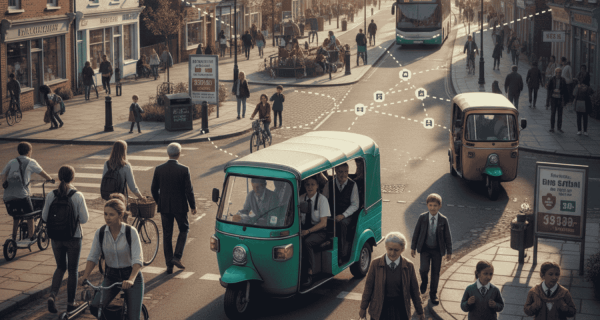
An e-rickshaw is a battery-powered three-wheeler designed primarily for local passenger and goods transport. It runs on electricity instead of petrol or diesel, making it economical and environmentally friendly. Its simple design and easy operation make it suitable for both drivers and passengers.
Designed for Local and Last-Mile Travel
E-rickshaws are ideal for narrow streets, crowded marketplaces, and residential areas. Their compact size and smooth handling allow them to operate efficiently where larger vehicles struggle. This makes them a natural fit for small city mobility.

Affordability – The Core Advantage of E Rickshaws
Low Operating and Running Costs
One of the strongest reasons e-rickshaws are gaining popularity is affordability. Charging an e-rickshaw costs significantly less than refueling a petrol or diesel vehicle. For drivers operating daily, these savings directly translate into higher earnings.
Lower Maintenance Expenses
E-rickshaws have fewer mechanical parts, which means fewer breakdowns and lower maintenance costs. There is no engine oil, complex gearbox, or clutch system to worry about. This simplicity makes them easier and cheaper to maintain, especially in smaller cities.
Benefits for Drivers and Small Transport Operators
Easy Entry into Self-Employment
E-rickshaws provide an accessible path to self-employment. The initial investment is lower compared to fuel-based vehicles, and the learning curve is minimal. This makes e-rickshaws a popular choice among first-time drivers and small entrepreneurs.
Reliable Daily Income Opportunities
In small cities, passenger demand remains steady throughout the day. Morning and evening rush hours, school timings, and market visits ensure consistent earnings. This reliability is why many drivers actively look for the Best E Rickshaw in Lakhimpur to secure long-term income.
Passenger Benefits in Small Cities
Affordable Fares for Daily Commuters
Passengers in small cities are price-sensitive. E-rickshaws offer affordable fares, making them accessible to students, workers, and elderly commuters. Lower operating costs allow drivers to keep fares reasonable while maintaining profitability.
Comfort and Accessibility
E-rickshaws provide a smooth and quiet ride. Easy entry, comfortable seating, and minimal noise make them a preferred choice for daily commuting. This comfort improves the overall travel experience for passengers.

Environmental Impact in Small Urban Areas
Reducing Air Pollution
Air pollution is not just a big-city problem. Small cities also face rising pollution levels due to increased vehicle usage. E-rickshaws produce zero tailpipe emissions, helping improve air quality and reduce health risks.
Lower Noise Levels
Fuel-based vehicles contribute significantly to noise pollution. E-rickshaws operate quietly, creating a calmer and more pleasant environment in residential and commercial areas.
Why Small Cities Are Adopting E Rickshaws Faster
Supportive Local Demand
In small cities, people quickly adapt to practical solutions. Passengers appreciate the affordability and availability of e-rickshaws, while drivers value the low costs and steady income. This mutual benefit has accelerated adoption.
Easier Infrastructure Adaptation
Small cities have shorter travel distances, making battery range less of a concern. Most e-rickshaw owners can charge their vehicles at home, reducing dependence on public charging stations. This ease of use supports faster growth.
Government Policies and Support for Electric Mobility
Incentives for Electric Vehicles
Governments actively promote electric mobility through subsidies, reduced registration charges, and other incentives. These measures lower the overall cost of ownership and encourage people to choose electric options over fuel-based vehicles.
Role of E Rickshaws in Employment Generation
E-rickshaws create direct and indirect employment opportunities. From drivers and mechanics to battery suppliers and dealers, they support local economies while addressing transport needs.
Challenges and Limitations of E Rickshaws
Charging Infrastructure Gaps
While home charging is common, public charging infrastructure is still developing in many areas. Proper planning and charging schedules help drivers manage this limitation effectively.
Battery Life and Replacement Costs
Battery replacement is a significant long-term cost. However, choosing quality batteries and maintaining them properly can extend battery life and reduce expenses over time.
Technological Improvements Shaping the Future
Advancements in Battery Technology
Battery technology continues to improve, offering longer range, faster charging, and better durability. These advancements are making e-rickshaws more efficient and reliable for daily use.
Improved Safety and Comfort Features
Modern e-rickshaws come with improved suspension, better braking systems, and stronger body structures. These upgrades enhance passenger safety and comfort, making e-rickshaws even more suitable for small cities.
Long-Term Impact on Small City Mobility
Strengthening Local Transport Networks
E-rickshaws play a crucial role in connecting areas that public transport cannot reach. They strengthen last-mile connectivity and make daily travel more convenient for residents.
Supporting Sustainable Urban Growth
By reducing pollution and providing affordable transport, e-rickshaws support balanced and sustainable urban development. They help small cities grow without compromising environmental health.

Conclusion