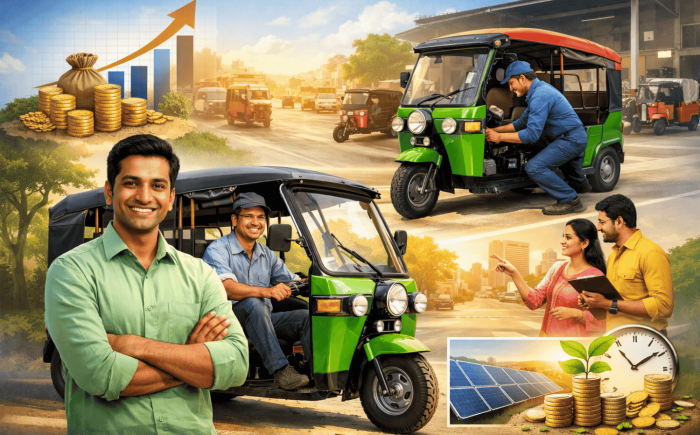
Growing Demand for E-Rickshaws in Sitapur: Market Overview
Small cities are becoming the new growth centers of India, and local transportation is at the heart of this change. One clear example of this shift can be seen in Sitapur, where e-rickshaws have rapidly become one of the most preferred modes of short-distance travel. From busy markets to railway stations and residential areas, e-rickshaws are now an everyday sight.
The growing demand for e-rickshaws in Sitapur is not a coincidence. It is the result of economic needs, changing commuter behavior, rising fuel costs, and a strong push toward affordable and sustainable mobility. This article provides a complete market overview and explains why investing in or choosing the Best E Rickshaw in Sitapur makes strong financial and practical sense.
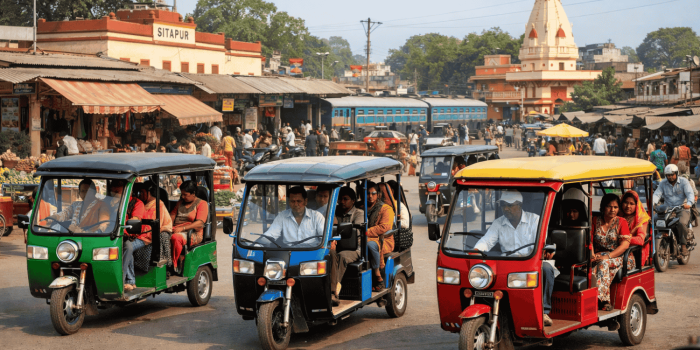
Overview of Sitapur’s Local Transport Ecosystem
Current Modes of Public and Semi-Public Transport
Sitapur’s transport system mainly depends on shared autos, buses, private two-wheelers, and e-rickshaws. While buses serve longer routes, they are not practical for internal city travel. Autos are available but come with higher fuel costs and fares.
E-rickshaws have filled the gap by offering affordable, flexible, and easily available transport within city limits.
Gaps in Short-Distance and Last-Mile Connectivity
A major challenge in small cities is last-mile connectivity. Residential colonies, schools, clinics, and local markets often lie away from main roads. Traditional transport struggles to serve these routes efficiently.
E-rickshaws solve this problem by providing door-to-door connectivity, especially for short distances of 2–6 km.
Daily Commuter Patterns in Sitapur
Most daily commuters in Sitapur travel multiple times a day for work, education, shopping, and healthcare. This high-frequency, short-distance travel creates consistent demand for e-rickshaws throughout the day.
What Is Driving the Growing Demand for E-Rickshaws?
Increasing Population and Urban Expansion
Sitapur is expanding steadily with new residential areas and commercial zones. As the city grows outward, the need for flexible local transport increases. E-rickshaws adapt easily to this expansion without requiring major infrastructure changes.
Rising Fuel Costs and Auto Operating Challenges
Fuel prices have increased operating costs for auto-rickshaw drivers. This has directly impacted passenger fares. E-rickshaws, running on electricity, offer a much cheaper alternative, benefiting both drivers and commuters.
Shift Toward Affordable Local Transport
Affordability is a key factor in transport choices in small cities. E-rickshaws provide low fares while maintaining decent comfort, making them the preferred option for students, workers, and senior citizens.
Growing Awareness of Electric Vehicles
People are becoming more aware of electric vehicles and their benefits. Lower pollution, quieter operation, and cost savings have increased acceptance of e-rickshaws among passengers and drivers alike.
Passenger Demand Trends in Sitapur
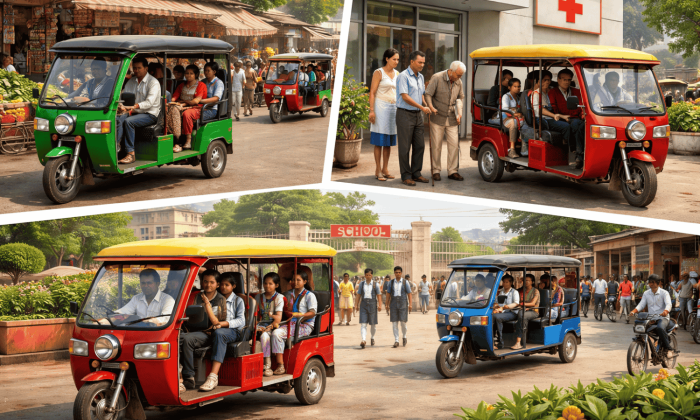
High Usage for Market, School, and Hospital Routes
The highest demand for e-rickshaws comes from routes connecting local markets, schools, colleges, hospitals, and transport hubs like railway and bus stations. These routes ensure steady passenger flow throughout the day.
Preference for Low-Fare, Short-Distance Travel
Passengers prefer e-rickshaws for short trips because they are economical and easily available. This preference has strengthened demand year after year.
Acceptance Among All Age Groups
E-rickshaws are widely used by children, adults, and elderly passengers. Their easy entry, stable seating, and smooth ride make them suitable for all age groups.
E-Rickshaw Market Growth in Sitapur
Increase in Number of Registered E-Rickshaws
The number of registered e-rickshaws in Sitapur has increased significantly in recent years. This growth reflects rising confidence in the e-rickshaw business model.
Entry of New Dealers and Local Suppliers
With growing demand, more dealers and suppliers have entered the market. Buyers now have access to multiple models and price options, making it easier to choose the Best E Rickshaw in Sitapur based on budget and usage needs.
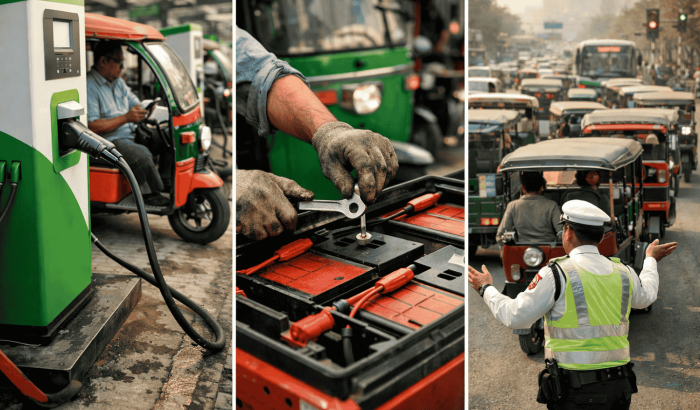
Growth of Charging and Repair Infrastructure
Charging points, battery repair shops, and spare-part dealers have expanded alongside the e-rickshaw market. This supporting ecosystem ensures smoother daily operations for drivers.
Economic Opportunities Created by the E-Rickshaw Market
Self-Employment and Income Generation
E-rickshaws offer a reliable source of self-employment. With low operating costs and consistent passenger demand, drivers can earn stable daily income.
Opportunities for Local Businesses and Workshops
The e-rickshaw ecosystem supports multiple small businesses, including charging stations, maintenance workshops, and battery suppliers. This contributes to overall local economic growth.
Financing and Rental Business Models
Flexible financing options and rental models have made it easier for individuals to enter the market without heavy upfront investment. This has further accelerated adoption.
Government Policies and Their Impact on Demand
State and Central EV Promotion Initiatives
Government initiatives promoting electric vehicles have played a crucial role in boosting e-rickshaw adoption in small cities.
Subsidies, Registration, and Policy Support
Simplified registration processes and subsidies reduce ownership costs, encouraging more people to invest in e-rickshaws.
Local Administration’s Role in Regulation
Local authorities are increasingly focusing on organizing e-rickshaw routes and operations, which helps improve traffic management and safety.
Comparison with Other Local Transport Options
E-Rickshaws vs Auto-Rickshaws
Compared to autos, e-rickshaws are cheaper to operate, quieter, and more environment-friendly. These advantages have shifted both driver and passenger preference toward e-rickshaws.
E-Rickshaws vs Shared Vans and Buses
Shared vans and buses are not suitable for narrow roads and short routes. E-rickshaws offer better flexibility and last-mile reach.
Why E-Rickshaws Are Winning in Sitapur
Their low cost, adaptability, and strong daily demand make e-rickshaws the most practical local transport option in Sitapur.
Challenges in the Growing E-Rickshaw Market
Charging Infrastructure Limitations
While charging facilities have improved, further expansion is needed. Planned charging points can solve this issue effectively.
Battery Life and Maintenance Concerns
Battery replacement is a major cost factor. Choosing quality batteries and proper maintenance practices can significantly reduce long-term expenses.
Traffic Management and Route Discipline
As numbers grow, proper regulation and route planning are essential to avoid congestion and ensure safe operations.
Future Outlook of the E-Rickshaw Market in Sitapur
Expected Growth in the Next 3–5 Years
Market trends indicate continued growth in demand due to rising population and urban development.
Integration with Urban Transport Planning
E-rickshaws are expected to be integrated into formal city transport planning as a core last-mile solution.
Long-Term Sustainability and Market Stability
Given low operating costs and strong passenger demand, the e-rickshaw market in Sitapur shows long-term stability.
What This Growing Demand Means for Buyers and Investors
Opportunities for New Drivers and Owners
For individuals seeking steady income, now is an ideal time to invest in the Best E Rickshaw in Sitapur.
Choosing the Right Model and Supplier
Selecting a reliable model with good after-sales support is crucial for long-term success.
Long-Term Return on Investment
With low running costs and high daily usage, e-rickshaws offer attractive returns compared to many traditional transport options.