
Key Features to Look for Before Buying an E Rickshaw
Buying an e rickshaw is a major decision for anyone planning to earn a steady income from daily passenger transport. With electric mobility becoming more common across towns and semi-urban areas, buyers are now faced with dozens of models and brands, each promising better mileage, higher profits, and long life. The challenge is knowing which features truly matter and which are simply marketing claims.
An e rickshaw that performs well on paper may struggle in real-world conditions if the right features are missing. Road quality, passenger load, charging availability, and daily running hours all influence performance. This guide explains the key features you should carefully evaluate before investing in an e rickshaw so that your purchase delivers long-term reliability and consistent earnings.
Battery System – The Backbone of an E Rickshaw
The battery system is the most critical component of an e rickshaw because it determines how long the vehicle can operate each day. A strong battery allows drivers to complete more trips without interruptions, while a weak one can limit income and increase downtime.
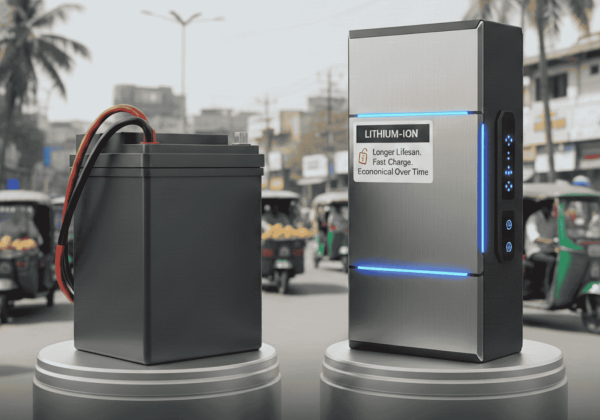
Lead-acid batteries are still widely used due to their lower upfront cost and easy availability. They are suitable for buyers with limited budgets but require regular maintenance and careful charging. Lithium batteries, on the other hand, are more advanced and offer longer lifespan, faster charging, and more stable performance throughout the day. Although lithium options cost more initially, they often prove economical over time due to reduced maintenance and replacement needs.
Battery backup is equally important. For daily commercial use, the battery should comfortably last through peak working hours. Warranty coverage on the battery is another factor that should not be ignored, as replacement costs can be significant.
Motor Performance and Power Efficiency
The motor directly affects how smoothly an e rickshaw runs under load. A powerful and efficient motor ensures that the vehicle accelerates well, climbs small inclines easily, and maintains speed even with full passenger capacity.
For daily operations, motor efficiency matters as much as power. An efficient motor consumes less energy, improving mileage and reducing charging costs. Poor-quality motors may overheat or lose efficiency over time, leading to frequent repairs and lower performance. Choosing an e rickshaw with a proven motor setup helps ensure consistent performance throughout the vehicle’s lifespan.

Mileage and Driving Range per Charge
Mileage is one of the first things buyers ask about, and rightly so. Higher mileage means lower electricity expenses and more trips per charge. However, buyers should be cautious of exaggerated claims.
Real-world mileage depends on several factors, including road conditions, passenger load, driving style, and battery health. An e rickshaw that delivers consistent mileage in everyday conditions is more valuable than one that claims high numbers but performs poorly in practice. A stable daily driving range ensures predictable earnings and helps drivers plan their routes more effectively.
Build Quality and Chassis Strength
An e rickshaw used for commercial purposes faces constant stress from uneven roads, speed breakers, and heavy usage. Build quality determines how well the vehicle withstands these challenges.
A strong chassis provides stability and protects vital components from damage. Good suspension systems absorb shocks and improve ride comfort, especially on rough roads. Tyre quality also plays a role in overall durability and safety, as better tyres offer improved grip and reduced wear.
Investing in solid build quality reduces long-term maintenance costs and minimizes the risk of breakdowns during working hours.
Safety Features That Should Not Be Ignored
Safety is often overlooked in favor of mileage or price, but it is equally important. Reliable braking systems allow drivers to handle sudden stops in crowded areas and reduce accident risks. Stable weight distribution and anti-tilt design improve control, particularly when carrying multiple passengers.
Proper lighting and indicators enhance visibility during early morning or evening hours. These features not only protect the driver and passengers but also help maintain a professional image that attracts more riders.
Comfort Features for Drivers and Passengers
Comfort directly influences customer satisfaction and driver endurance. Passengers prefer e rickshaws with comfortable seating and enough space to sit comfortably. A smooth and quiet ride encourages repeat customers, which is valuable for daily earnings.
Drivers spend long hours operating the vehicle, so ergonomic seating and easy controls are essential. Roof strength and weather protection ensure that both driver and passengers remain comfortable during rain, heat, or dust, making the e rickshaw usable throughout the year.
Charging System and Power Compatibility
Charging efficiency determines how quickly an e rickshaw can return to operation after a battery drain. A reliable charging system reduces downtime and helps drivers maintain consistent working hours.
Compatibility with standard home charging setups is important for convenience and cost savings. Overcharging protection is another key feature, as it prevents battery damage and extends battery life. A well-designed charging system contributes significantly to the overall reliability of the vehicle.
Maintenance, Service, and Spare Parts Support
Even the best e rickshaw requires regular maintenance. Ease of servicing and availability of spare parts should be considered before purchase. Vehicles that use commonly available components are easier and cheaper to maintain.
A strong service network ensures that issues can be resolved quickly, minimizing loss of income. Buyers should check whether authorized service centers or trained mechanics are accessible in their area. Warranty coverage on major components further reduces long-term ownership risks.
Legal Compliance and Registration Features
An e rickshaw must comply with local transport regulations to operate legally. RTO approval, proper certification, and registration readiness are essential features that should be verified before purchase.
Vehicles that meet legal requirements save buyers from future complications related to fines or registration delays. Insurance compatibility is another important aspect that protects the owner from financial loss in case of accidents or damage.
Cost vs Value – Choosing the Right E Rickshaw
While budget plays a major role in purchasing decisions, buyers should focus on value rather than just price. A low-cost e rickshaw may seem attractive initially but can lead to higher expenses over time due to poor build quality or frequent repairs.
Evaluating return on investment helps buyers understand how quickly the vehicle can recover its cost through daily earnings. A reliable and efficient e rickshaw usually offers better long-term value, even if the upfront price is slightly higher.
For buyers searching for the Best E Rickshaw in Lakhimpur, selecting a model that balances performance, durability, and service support is especially important due to varied road conditions and daily usage demands.
Choosing a Brand You Can Trust
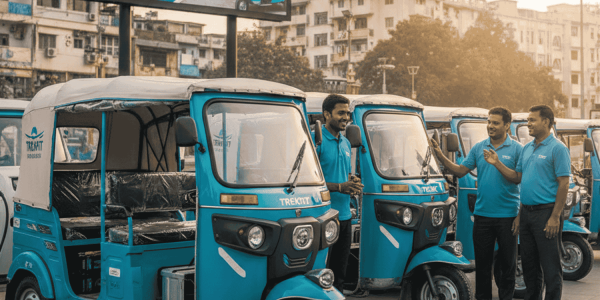
Beyond individual features, the manufacturer’s reputation plays a key role in ownership experience. Brands that invest in quality control, research, and customer support tend to deliver more reliable products. Trekfit is an example of a brand that focuses on durable build quality, efficient performance, and dependable after-sales service, making it a preferred choice among many commercial users.
A trusted brand offers peace of mind, knowing that support is available when needed and that the vehicle is designed for real-world conditions.
Conclusion